By Paul Fox | April 24, 2026
April 24, 2026
Heavy-duty trucks are the backbone of logistics and transportation, and their proper maintenance is crucial. With 1.86 million companies operating semi-trucks in the United States, according to TruckInfo.net, regular maintenance can save fleets both time and resources. Let's delve into the frequent breakdowns and how prompt heavy duty truck repairs prevent future headaches.
1. Engine Troubles
Oil Leaks
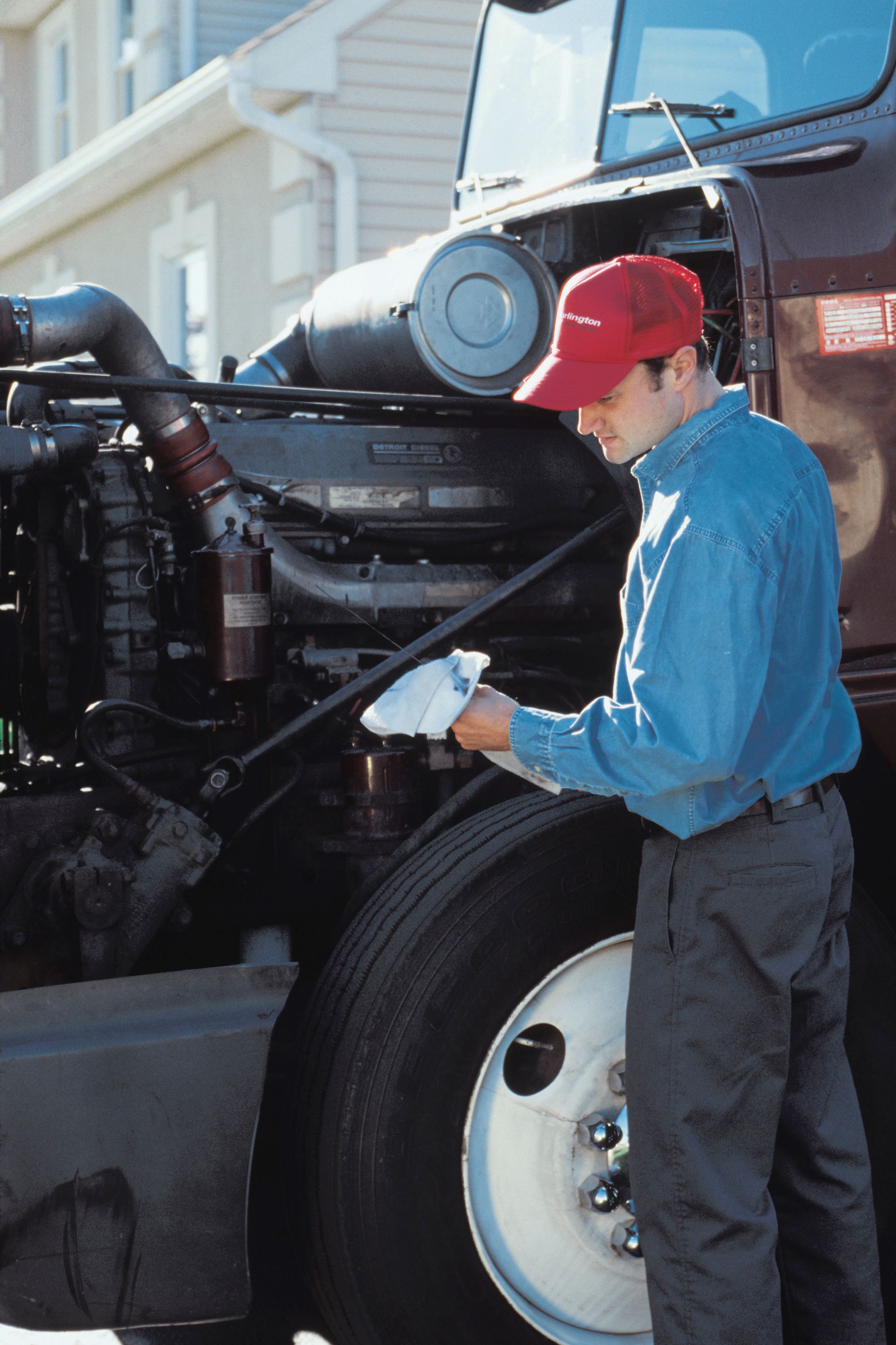
Oil leaks are a common issue that can lead to severe engine problems if left unaddressed. A small leak can reduce the lubrication necessary for engine components, leading to increased friction and, ultimately, component failure. Detecting leaks early and repairing them can prevent expensive repairs in the future. It is essential for operators to regularly check oil levels and look for any signs of leaks. Keeping engines well-maintained ensures they perform efficiently and are less likely to suffer catastrophic failures.
Overheating
Overheating is a critical issue in heavy-duty trucks that, if ignored, can lead to engine seizure. The most common cause of overheating is inadequate coolant levels or faulty cooling system components. Keeping an eye on engine temperature and responding quickly to any warning signs can prevent costly heavy duty truck repairs. Regular checks of the radiator, thermostat, and coolant levels play a crucial role in managing engine temperature. Investing in a robust cooling system maintenance program helps keep engines running smoothly.
Ignition Problems
Faulty ignition systems can cause significant disruptions, making it difficult to start the engine, which affects scheduling. Misfires and failed starts can lead to downtime and increased wear on engine components. Regular inspections and timely replacements of ignition components, such as spark plugs and ignition coils, can resolve these issues. Ensuring these parts are in prime condition prevents unexpected interruptions and promotes reliability. Companies might consider implementing a checklist for drivers to report any starting issues promptly.
Reduced Power
Driving with reduced engine power can be a sign of various underlying issues, from fuel system failures to blocked air filters. Reduced power places additional stress on the engine, leading to escalating problems and potentially catastrophic failure. It is crucial for operators to recognize power loss and have the vehicle inspected by professionals promptly. Identifying the root causes quickly can prevent worsening conditions and reduce downtime. By maintaining dynamic power, trucks can fulfill their heavy-duty roles without operational disruptions.
Malfunctioning Sensors
Sensors play a critical role in modern heavy-duty trucks, monitoring everything from engine performance to fuel efficiency. Malfunctioning sensors can mislead drivers, providing inaccurate data that may result in improper vehicle handling. The inaccuracy can cause more significant engine issues if left unaddressed. Regular software updates and sensor checks are crucial in maintaining correct readings and functionality. Operators should prioritize sensor health as part of their standard maintenance routine.
Given the reliance many trucking companies place on these electronic systems, unreliable sensors can disrupt operations and lead to misdiagnoses. This ripple effect may cause unexpected downtime, delaying deliveries and harming business reputation. Comprehensive diagnostics and repairs prevent sensor-related mishaps, enhancing operational reliability. With up-to-date components and sensors, fleets remain operationally sound. The right data ensures fleets can make informed and timely operational decisions.
2. Transmission Failures
Slipping Gears
Transmission gear slippage is a serious concern for heavy-duty trucks, affecting both vehicle performance and driver safety. When gears slip frequently, it can result in erratic vehicle behavior, posing significant risks on the road. Ensuring smooth gear transitions is essential for maintaining control and stability. Operators should prioritize regular transmission fluid checks and gearbox inspections. Preventative maintenance and timely heavy duty truck repairs ensure fewer complications, contributing to safer vehicle operations.
For fleet operators, gear slippage can escalate into more extensive transmission failures if neglected. Transmission repairs are often costly, making preventative care economically prudent. Implementing regular diagnostic services can identify slipping gears early, avoiding prolonged issues. Educating drivers on the signs of slipping gears, such as irregular noises or loss of power, ensures quick responses. These practices result in safer trucks and reduced risk of accidents due to faulty gear systems.
Unusual Noises
Unusual noises from the transmission system are often early indicators of potential underlying issues. Drivers may hear whining, clunking, or grinding sounds, which require immediate investigation. These noises might indicate worn-out gears, insufficient lubrication, or misaligned components. Prompt attention to these sounds ensures any damage can be diagnosed and repaired before escalating. Enabling drivers to report any auditory anomalies quickly is crucial for preventative maintenance.
Ignoring these noises could lead to catastrophic component failures, necessitating more extensive, costly heavy duty truck repairs. Heavy-duty trucks are subjected to high stress levels; thus, any developing issues should be addressed promptly. Regular checks by experienced technicians can determine the root causes of these noises. Addressing them early prevents prolonged wear and extends the transmission system's lifespan. A proactive resolution prevents potential safety risks associated with faulty transmissions.
Fluid Leaks
Transmission fluid is critical for the proper functioning of the gear system, acting as both a lubricant and a coolant. Detecting fluid leaks early is essential, as low fluid levels can cause overheating and component wear. Regular inspection of fluid levels and conditions during maintenance checks helps in spotting leaks early. Addressing leaks in time prevents transmission overheating and possible internal damage. Ensuring proper fluid levels maintains optimal lubrication and temperature control in the gearbox.
Delayed Shifting
Delayed shifting can be indicative of transmission issues, leading to inefficient and potentially dangerous driving conditions. Such delays can affect the vehicle's speed, acceleration, and control, increasing the risk of accidents. Operators should ensure regular diagnostics to isolate the cause of shifting delays, often related to low hydraulic pressure or worn components. Timely replacements and heavy duty truck repairs can resolve these delays, aiding safer, smoother operations. Encouraging open communication between drivers and diagnostic teams enhances these preventive measures.
Faulty Torque Converter
The torque converter is a crucial part of the transmission system, influencing the vehicle's power distribution. A failing torque converter can lead to reduced power transmission and inefficient fuel usage. Symptoms might include shuddering or vibration during acceleration, signaling the need for immediate inspection. Prompt repairs prevent potential damage to other system components, restoring stable and efficient vehicle operations. Regular checks and component replacements underpin a comprehensive transmission maintenance regime.
3. Brake System Issues
Squeaking Noises
Squeaking noises when applying brakes can indicate worn brake pads or improper alignment. Such sounds are early warning signs that, if addressed promptly, prevent further brake system damage. Operators should regularly inspect braking components, ensuring wear indicators and pads function correctly. On-time replacement of brake pads ensures smooth, effective braking performance, supporting vehicle safety. Diligent brake system monitoring forms part of regular maintenance practices, reducing the risks associated with unattended system wear.
Soft Brake Pedal
A soft or spongy brake pedal often signifies issues within the brake system, perhaps indicating air in the brake lines or fluid leaks. An investigation into a soft pedal is critical to restoring reliable stopping power and protecting driver safety. Operators should ensure regular checks to detect leaks in brake lines or issues with the master cylinder. Timely bleeding of brakes and replacement of damaged components can prevent more severe brake failures. Comprehensive brake system maintenance secures effective stopping capability, ensuring operational safety and confidence.
Uneven Brake Pads
Uneven wear on brake pads can signal imbalances or issues with the brake caliper, needing attention to restore even braking efficiency. Regular pad checks are crucial to identifying early signs of wear and tear, allowing for prompt intervention. Removing and addressing the root causes of uneven wear extends the lifespan of braking components and optimizes performance. Regular alignment and caliper checks remedy these issues, ensuring uniform pad contact. Operators should prioritize comprehensive system assessments in maintaining optimal brake system health.
In an industry where time, safety, and efficiency are tightly linked, staying ahead of mechanical issues isn't optional. From engine troubles and transmission failures to brake system concerns, each component plays a vital role in keeping heavy duty trucks operating at peak performance. Addressing small warning signs early through consistent inspections and prompt heavy duty truck repairs with Fox Towing and Truck Service Inc helps prevent minor issues from escalating into costly breakdowns or dangerous situations on the road. Reach out to us today to get started with a free estimate!