By Paul Fox | February 24, 2026
February 24, 2026
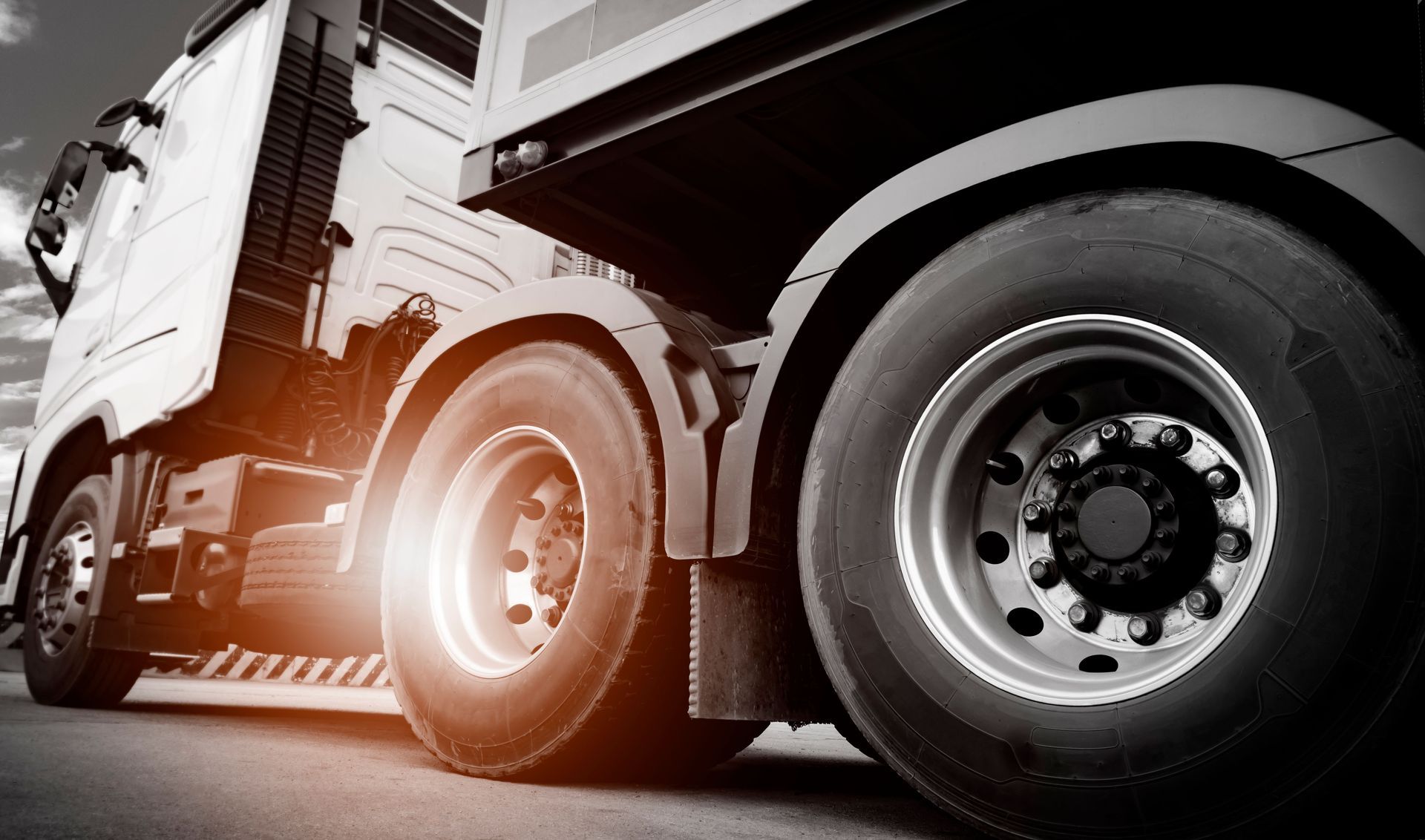
Regular truck tire repair and maintenance are essential components of fleet management. This process helps prevent the occurrence of tire blowouts, a significant risk factor in the trucking industry. Blowouts not only compromise safety but also lead to costly delays and repairs. Understanding the potential disasters a blowout can cause underscores the importance of preventive truck tire repair. According to TruckInfo.net, there are 3.5 million truck drivers in the United States. By adopting regular maintenance practices, trucking companies can save lives and reduce financial losses.
The Causes of Tire Blowouts
Poor Tire Maintenance Practices
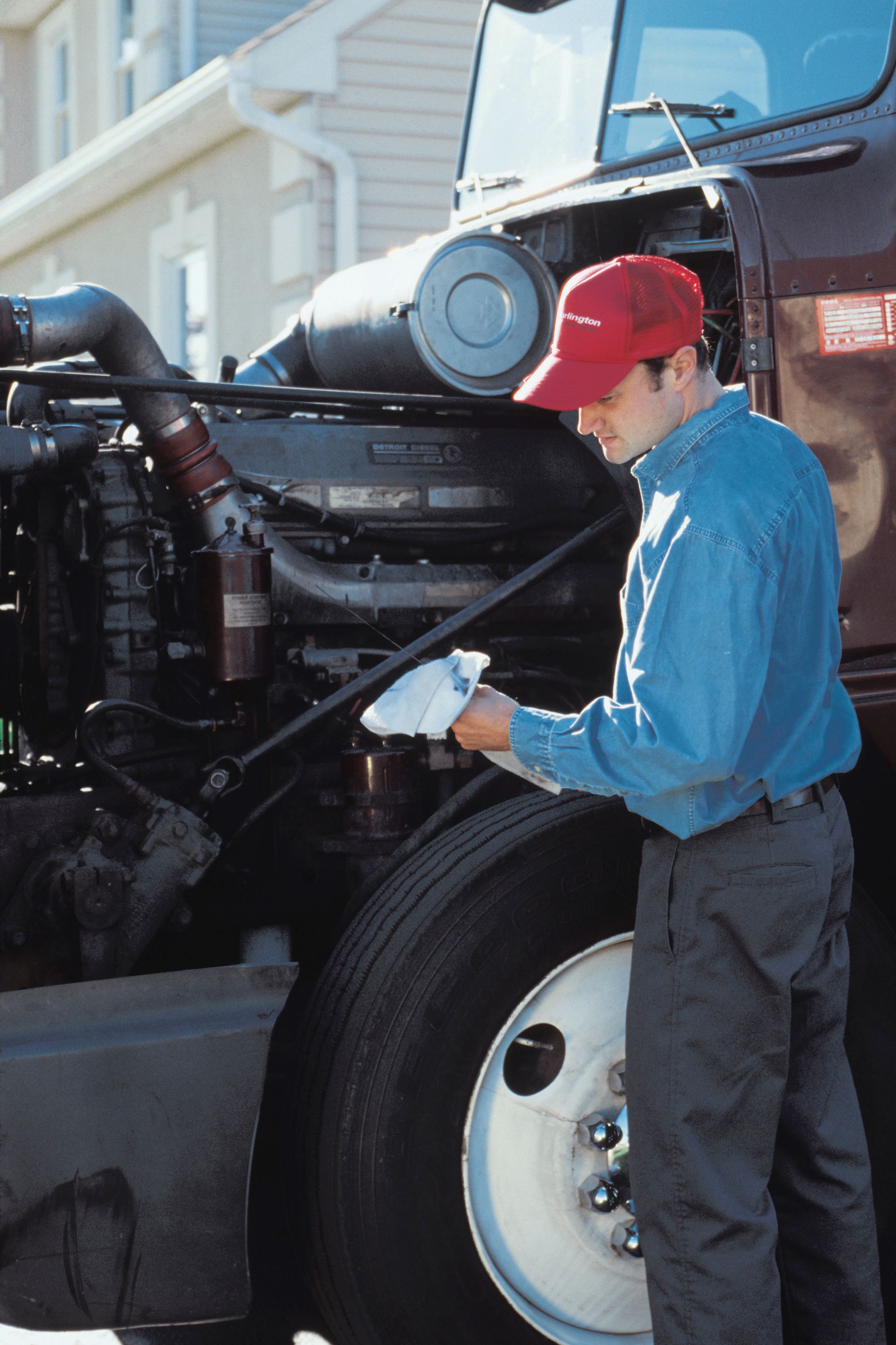
Poor tire maintenance is one of the primary causes of blowouts, leading to required truck tire repair. Neglecting regular checks can lead to tires running too hot or with insufficient tread. These conditions make the tires more susceptible to sudden failures. Without targeted maintenance, small issues can escalate into catastrophic events on the road. Proactive approaches to tire care can significantly mitigate these risks.
Impact of Environmental Factors
Furthermore, environmental factors such as road conditions and weather variations also influence tire durability. Potholes and debris can cause physical damage, while extreme temperatures can alter tire pressure. Adapting maintenance strategies to account for these external elements is critical. Regular inspections help identify damage incurred from environmental exposure. Swift repairs prevent small damages from leading to blowouts.
Manufacturing Defects
Additionally, manufacturing defects are less common but pose severe risks when present. Inconsistent construction or subpar materials can predispose tires to weaknesses. Identifying such defects early is crucial for preventing failures on the road. Working with trusted manufacturers and ensuring quality checks during purchases can avert these issues. Consistent monitoring and routine inspections can help spot manufacturing-related vulnerabilities.
Overloading of Trucks
Overloading is a prevalent issue that can drastically reduce tire lifespan. The excessive weight puts undue pressure on tires, leading to quicker wear. It increases the likelihood of a blowout, especially at high speeds. Ensuring that trucks operate within their intended load capacity is essential. Strategic planning and compliance with weight regulations help protect tire integrity.
Improper Inflation Levels
Improper inflation levels are a frequent culprit behind tire blowouts. Both under-inflated and over-inflated tires present unique dangers. Under-inflation causes heat build-up, while over-inflation leads to reduced traction. Maintaining appropriate inflation levels helps enhance tire performance and longevity. Integrating inflation checks into routine practices is a simple yet effective prevention strategy.
The Role of Regular Tire Inspections
Tread Wear
Regular inspections are vital in identifying tread wear before it becomes problematic. Tread depth is a key indicator of tire health and performance. As treads wear down, the risk of hydroplaning increases, complicating driving conditions. An inspector's keen eye can spot uneven wear patterns that suggest alignment issues. Addressing these early on can prevent tires from becoming liabilities.
Bulges and Weak Spots
During a routine check, spotting bulges and weak spots is crucial. These inconsistencies often signal underlying structural issues. Ignoring them can result in a blowout when the truck is in motion, leading to severe accidents. Regular monitoring allows for timely corrections, such as tire replacements or repairs. Keeping an eye out for these vulnerabilities is part of responsible fleet maintenance.
Embedded Objects
Continuing, embedded objects in tire surfaces pose silent threats to trucking safety. Sharp debris like nails or shards can penetrate the tire, causing gradual pressure loss. Over time, this results in dangerous blowouts. Therefore, part of regular inspections involves checking for such intrusions. Removing these objects promptly helps preserve safety and prevent gradual damage accumulation.
Sidewall Health
The sidewalls are another critical area checked during inspections. Damage like cuts or abrasions along the sidewall can greatly weaken a tire's structural integrity. Spotting these early involves a combination of visual and tactile checks. High-quality inspections reveal sidewall issues before they become blowout risks. Reinforcing sidewall health preserves overall tire longevity and performance.
Importance of Vehicle Alignment
In addition, vehicle alignment is an often-overlooked aspect of tire maintenance that affects tire health. Misalignment causes uneven wear patterns, reducing tread life and increasing the blowout risk. Routine alignment checks ensure the tire's contact with the road remains even. This maintenance step ensures even load distribution and longer-lasting tires. Proactive alignment management is vital for maintaining optimal tire conditions.
Importance of Proper Inflation
How Inflation Affects Tire Longevity
Proper inflation directly impacts tire longevity and efficiency. Tires with the correct pressure minimize rolling resistance, thus optimizing fuel efficiency. Under-inflated tires, conversely, increase fuel consumption and wear down more rapidly. This increased wear raises the probability of sudden tire failures. Regular pressure checks can prolong tire life substantially, enhancing both safety and economic benefits.
Tools and Techniques for Checking Pressure
Utilizing the right tools and techniques for checking tire pressure ensures accuracy. Digital pressure gauges offer precise readings, while manual checks help confirm those readings. Portable gauges allow for frequent checks without the need for complex equipment. By setting a consistent pressure-check schedule, trucking companies can reduce blowout risks.
Impact of Temperature Changes
Furthermore, temperature changes have a pronounced effect on tire pressure levels. Hotter temperatures may cause tires to overinflate, whereas cooler temperatures result in deflation. These fluctuations can cause the tire to operate outside recommended limits, presenting safety concerns. Regular checks adjust for these variances, maintaining optimal performance.
Consequences of Over-Inflation
Also, over-inflation is as hazardous as under-inflation, albeit less commonly discussed. Excessive pressure increases the risk of tread surface separation from the tire body. This separation poses significant blowout risks, especially at high speeds. Ensuring that tires remain within specified pressure ranges is critical.
Inflation Checks in Routine Maintenance
Incorporating inflation checks into routine maintenance protocols is straightforward yet crucial. Setting scheduled check intervals can help maintain optimal pressure levels. These checks provide opportunities to identify leaks or other pressure anomalies. Regular monitoring should be ingrained as part of the culture in trucking operations.
Professional Tire Repair
Common Repair Methods
Professional truck tire repair methods cover a range of standard procedures aimed at preserving tire functionality. Plugging small punctures, patching tears, and reinforcing weak sections are temporary remedies. For more severe damage, replacement may be necessary. Each method aims to restore the tire's structural robustness.
When to Seek Professional Help
Additionally, professional help is a crucial for fleet managers. Minor issues may be fixable in-house, but complex damage often requires expert intervention. Misjudging the need for repairs can lead to future failures, compromising safety. Experts provide detailed assessments and tailored solutions based on specific wear patterns.
Tire Durability Post-Repair
Furthermore, post-repair evaluations are essential to verifying the longevity of repairs completed. Inspections assess whether the repaired tire can sustain the strain of daily trucking demands. Continuous monitoring confirms stability after reintegration into the fleet. Regular checks post-repair underscore safety and performance standards.
Certified Professionals for Safety
Relying on certified professionals significantly enhances truck tire safety. Certified technicians offer in-depth expertise that can shield fleets from unnecessary failures. Trusting professionals with tire maintenance ensures high standards of care. These experts provide insights into new technologies and truck tire repair techniques. Dependence on certified knowledge enriches tire management strategies.
Truck tire repair and maintenance are crucial in preventing blowouts and ensuring safety in the trucking industry. By understanding causes, ensuring proper inspections, utilizing advanced technology, and fostering a culture of maintenance, the trucking industry can minimize risks and optimize operations. For truck tire repair and maintenance, contact us at Fox Towing and Truck Service Inc today.