Operating a commercial shipping fleet or managing an individual transport vehicle requires a relentless dedication to mechanical up-keep and structural safety. These massive transport machines endure incredible physical stress as they traverse long highway corridors, hauling heavy loads through extreme weather conditions and challenging terrain. When a critical component fails during a transit, the consequences can be devastating, resulting in missed delivery deadlines, lost revenue, and extreme hazards on the public roadways. Seeking assistance when a breakdown occurs on the side of a highway is an incredibly stressful and expensive experience. According to Market.Us, the global roadside assistance market is projected to reach $39.7 billion by 2034. This staggering projection highlights the immense financial and operational scale of highway failures, emphasizing why proactive fleet care is a vital business strategy. Rather than waiting for a mechanical crisis to halt your operations, establishing a strict schedule of preventative care is the most effective way to keep your vehicles running smoothly. By taking charge of your fleet maintenance, you can transform a vulnerable vehicle into a highly durable asset that performs reliably over long distances. Recognizing when your vehicle requires professional attention and investing in consistent heavy duty truck repair is essential for safeguarding your investments and protecting your drivers.
1. Monitoring Engine Oil Condition
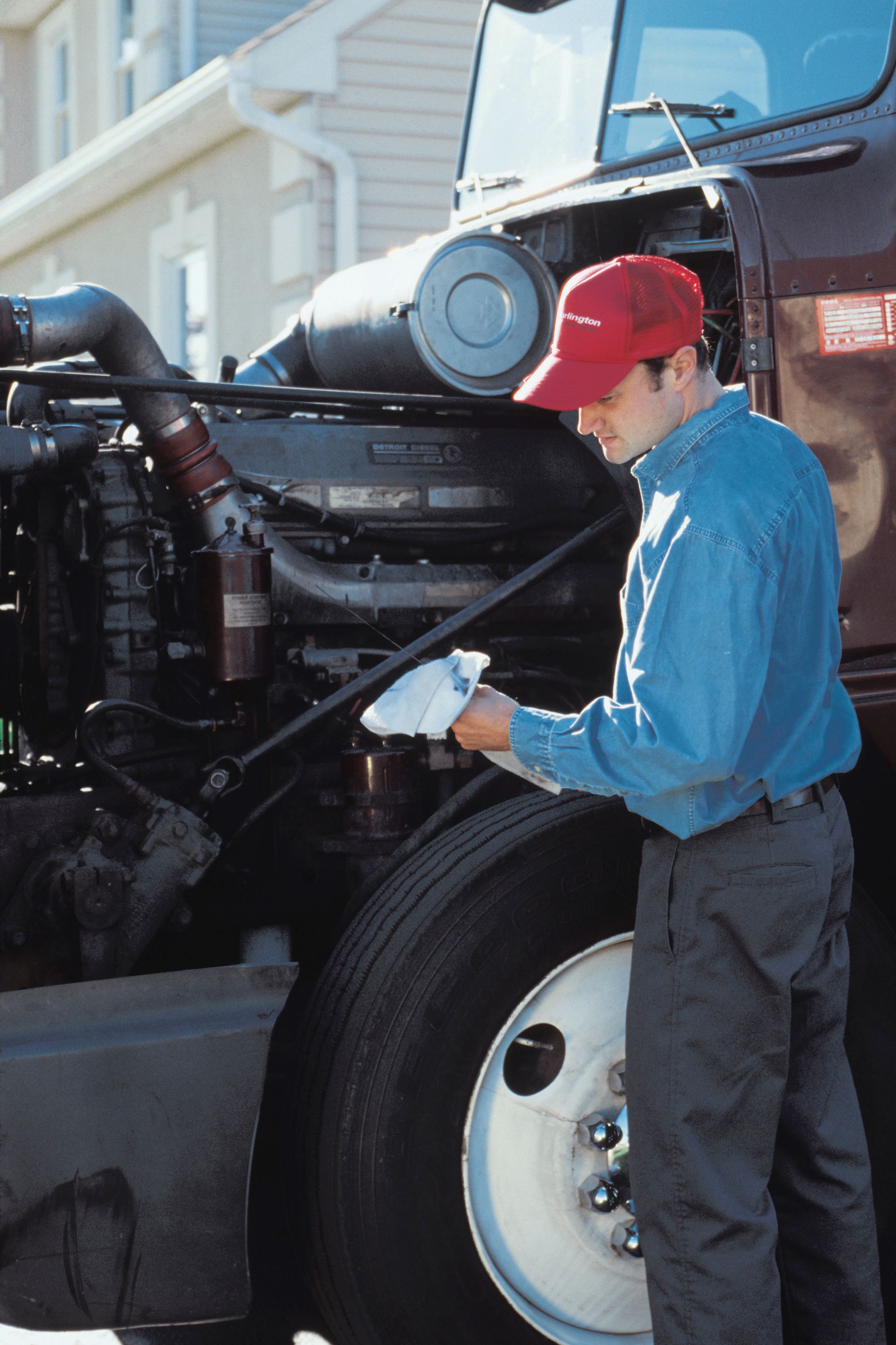
The internal combustion engine serves as the absolute heart of your transport vehicle, generating the massive physical power needed to haul heavy cargo across the country. This intricate assembly contains numerous metal components that slide against each other at high speeds under intense thermal conditions. To prevent these metal surfaces from grinding together and destroying themselves, the system relies on a clean, consistent barrier of lubrication. Over time, motor oil naturally degrades, losing its viscosity and accumulating harmful carbon deposits, soot, and microscopic metal debris. If a driver neglects routine oil changes and filter replacements, this contaminated fluid begins to act like liquid abrasive sand, rapidly wearing away at the cylinders and bearings. This friction increases operating temperatures, reduces fuel efficiency, and can eventually lead to a complete engine seizure that destroys the block. Utilizing professional services to analyze your oil quality and perform scheduled flushes stops this destructive wear before it causes irreversible internal damage. Resolving minor engine issues before they require major heavy duty truck repair is a highly responsible strategy that ensures your vehicle continues to start reliably and deliver smooth power through all seasons.
2. Inspecting Brake System Components
Sustaining the ability to stop a massive, fully loaded transport vehicle safely is the most critical safety parameter of any journey, directly protecting your driver and other motorists. The braking system utilizes extreme friction to clamp heavy brake shoes against spinning drums or rotors, slowing the vehicle down through physical resistance. Because of this continuous friction, these components wear down naturally with every stop made during a transit. Ignoring squealing sounds, a soft pedal, or a distinct vibration when applying the brakes is a direct threat to public safety. When the friction material on the brake shoes wears away completely, the underlying metal backing grinds directly against the drums, ruining the smooth surfaces and severely reducing stopping capability. This metal-on-metal contact also generates intense thermal energy that can warp the assemblies or cause the seals to fail entirely. Scheduling regular inspections ensures that these vital safety systems are restored to peak performance. Technicians can replace worn shoes, adjust slack adjusters, and verify that the air lines are completely free from leaks, ensuring that this proactive focus minimizes the need for emergency heavy duty truck repair on the highway.
3. Maintaining Proper Tire Pressure
The tires of your vehicle serve as the sole physical contact points between a heavy payload and the asphalt, making their overall condition paramount to handling and safety. Heavy transport vehicles carry immense weight, placing substantial pressure on the rubber casings and tread blocks. When tires are under-inflated, the sidewalls flex excessively, which generates intense heat and accelerates tread wear along the outer shoulders. This heat buildup weakens the internal steel belts, dramatically increasing the risk of a sudden, catastrophic blowout at high speeds. Conversely, over-inflation reduces the contact patch, leading to uneven center wear, a harsh ride, and reduced traction in wet conditions. Maintaining a consistent schedule to check and adjust tire inflation ensures that your vehicle handles predictably and stops efficiently. Properly inflated tires also reduce rolling resistance, which plays a massive role in optimizing fuel economy and lowering overall operational costs. Dedicating time to monitor tread depth and inflation pressure prevents premature tire failure, keeping your vehicle stable and secure throughout its journey.
4. Checking Electrical System Vitality
Modern transport vehicles rely on highly advanced electrical systems to govern engine performance, monitor emissions, power safety sensors, and illuminate the roadway. This complex network consists of high-output alternators, heavy-duty batteries, starter motors, and vast lengths of insulated wiring. Because these vehicles experience continuous vibration and exposure to road salt, moisture, and extreme temperatures, electrical connections can easily loosen or corrode. A minor loose ground wire or a corroded battery terminal can cause erratic sensor readings, starting failures, or sudden power losses during transit. Additionally, modern exhaust aftertreatment systems rely heavily on precise electrical sensors, meaning that a minor wiring fault can trigger a forced engine derate, stranding your vehicle on the roadside. Routine electrical diagnostic checks allow technicians to test battery voltage, inspect wiring harnesses for rub spots, and verify that the alternator is charging the system under full load. Addressing these electrical issues can quickly escalate and require specialized heavy duty truck repair to restore your vehicle's complex onboard computer networks to peak operational standards.
5. Analyzing Fluid Level Statuses
Your vehicle relies on a diverse network of specialized fluids to lubricate moving parts, transfer hydraulic pressure, and dissipate extreme thermal energy. In addition to engine oil, these vital liquids include transmission fluid, engine coolant, power steering fluid, windshield washer fluid, and differential gear oil. Each of these fluids has a finite operational lifespan, gradually losing its chemical effectiveness and accumulating moisture and particulate contaminants over time. For instance, deteriorated transmission fluid can cause gears to slip, grind, or fail to engage, leading to a massive mechanical failure. Similarly, acidic or depleted engine coolant cannot regulate operating temperatures effectively, which can cause the engine block to warp. Moisture accumulation in the hydraulic lines can lower the boiling point of the fluid, leading to reduced responsiveness under heavy use. Seeking professional maintenance to perform routine fluid flushes and filter replacements clears these critical pathways, restoring the hydraulic pressure and thermal protection your systems require. Ensuring that every reservoir contains clean, high-quality fluid prevents internal corrosion and shields your complex drivetrain components from premature wear.
Protecting your heavy commercial vehicle from the relentless wear of daily travel requires a continuous commitment to proactive care and high-quality maintenance. Ignoring minor mechanical warnings is a costly gamble that compromises safety, damages surrounding components, and accelerates the decline of your valuable fleet. By prioritizing regular oil inspections, brake checks, tire monitoring, electrical diagnostics, and fluid analyses, you can counteract natural wear and extend the lifespan of your vehicles. This dedicated upkeep ensures that your daily transits remain safe, comfortable, and completely worry-free, protecting your business from sudden operational disruptions. At Fox Truck & Trailer Repair Inc, we are deeply passionate about helping you protect your transport vehicles and keep your daily operations completely secure. Our experienced team utilizes modern diagnostics, premium materials, and exceptional craftsmanship to handle all of your maintenance and
heavy duty truck repair needs with absolute precision. We work diligently to identify potential concerns early, explaining your options clearly and helping you make informed decisions that safeguard your investment. Let us help you keep your fleet performing at its best, ensuring you can navigate the roadways ahead with complete peace of mind.